
How to Buy a Mobile Home with Land for Your Primary Residence
For many Americans, owning a home is part of the dream—but in today’s market, high prices and limited inventory are causing people to think differently. One option that’s gaining traction is buying a mobile home with land as a primary residence. It’s more affordable, flexible, and in many cases, can be a smart investment.
But before you jump in, there are important things to consider: from zoning laws to financing options and the condition of both the home and land.
Here’s everything you need to know before making a mobile home and land your personal residence.
Why Choose a Mobile Home on Land?
Let’s start with the why. A mobile home—also called a manufactured home—on its own can be inexpensive, but when placed on land you own, it brings additional value and stability.
Here are some reasons buyers are choosing this route:
✅ Affordability
Mobile homes are typically far cheaper than traditional stick-built houses. When you combine a mobile home with land in a rural or semi-rural area, the overall cost of ownership can be dramatically lower.
✅ No Lot Rent
Buying land along with the home means you avoid paying monthly lot rent, which is often required in mobile home parks. That alone can save hundreds of dollars a month.
✅ Room to Grow
You’ll often find mobile homes on larger lots—sometimes half an acre or more—which means more privacy, more freedom, and room for additions like a garden, garage, or even another structure.
✅ Homesteading Potential
Many buyers are using their mobile home property for light farming, chickens, gardens, and off-grid living. If you’re looking for a simpler, more self-sufficient lifestyle, this setup can be perfect.
What to Look For When Buying
1. Check Zoning and Restrictions
Not all land parcels allow for mobile homes. You’ll want to make sure the zoning is correct—either residential or agricultural typically works, but always double-check with the county or local planning office.
Also, check for deed restrictions or HOA rules that may prohibit manufactured homes.
2. Verify the Mobile Home’s Condition
Some mobile homes are in great shape; others need serious work. Look for:
-
Solid floors and ceilings
-
Proper insulation
-
Updated plumbing and electrical
-
No mold or roof leaks
A home inspection is still a smart idea—even for manufactured homes.
3. Year of Manufacture Matters
Homes built before 1976 often don’t meet HUD safety standards and can be difficult to finance or insure. Try to look for homes manufactured after June 15, 1976, which comply with HUD code.
4. Land Features
Check that the land has:
-
Access to utilities (power, water, septic/sewer)
-
Road access (public road or legal easement)
-
Good drainage to prevent flooding
-
Perc-tested soil if you’re installing a new septic
Don’t assume a property is ready to live on just because there’s a mobile home sitting on it—do your homework.
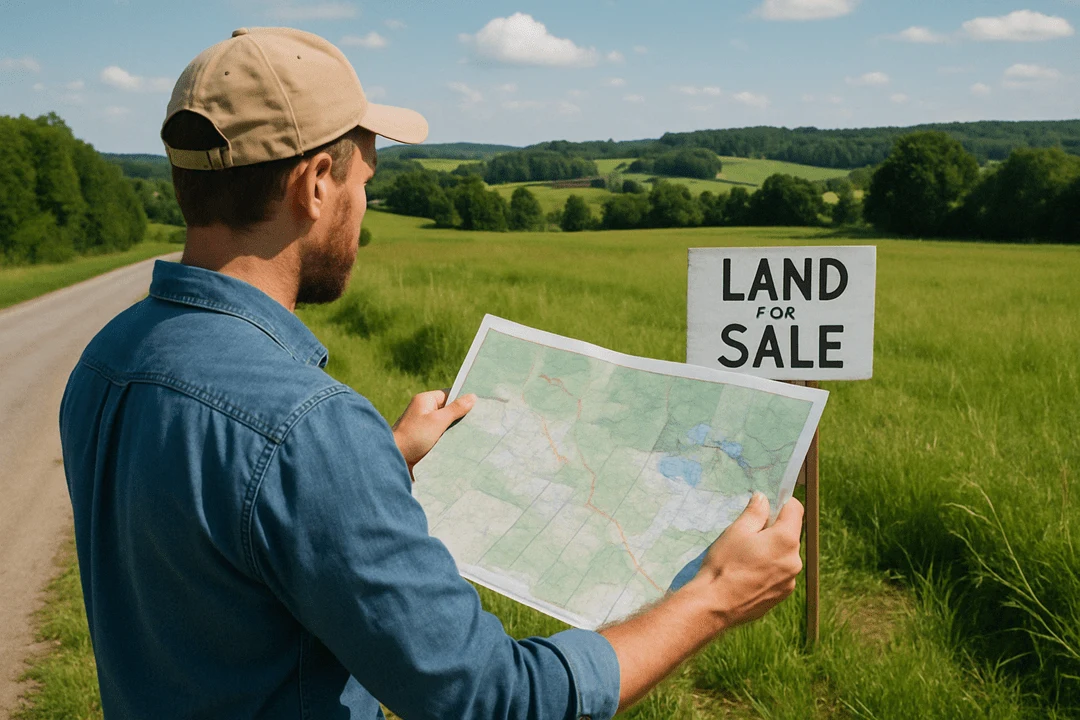
Financing Options
Financing a mobile home on land can be trickier than a traditional mortgage, but it’s definitely doable.
🏡 FHA or VA Loans
If the mobile home is permanently affixed to the land (on a foundation) and meets HUD standards, you might qualify for an FHA or VA loan. These can come with low down payments and favorable terms.
🏦 Chattel Loans
If the home is not affixed to the land or you’re buying it separately, a chattel loan (a personal property loan) might be an option. These often have higher interest rates but quicker approvals.
🤝 Owner Financing
In rural areas, many sellers offer owner financing, which can be a huge help if you’re not working with a traditional lender. Terms vary, so always read the fine print.
Legal and Title Considerations
📜 Title to the Land vs. Title to the Home
When buying a mobile home on land, make sure both the land and the home are being transferred to you. Sometimes, the land is owned but the mobile home is still titled as personal property.
It’s best if the mobile home is “converted” to real property—meaning it’s legally attached to the land. This makes future resale and financing easier.
🧾 Property Taxes
Mobile homes classified as personal property are often taxed differently than real estate. If you own both the home and the land, you’ll typically receive one property tax bill per year, just like a site-built home.
Setting Up a New Mobile Home on Land
Thinking of buying land first and placing a new or used mobile home on it? Here’s what that process looks like:
-
Buy Land Zoned for Mobile Homes
-
Prepare the Land (grading, clearing, driveway, etc.)
-
Install Septic, Well, and Utilities
-
Deliver and Install the Home (on foundation or piers)
-
Obtain Final Inspections and Permits
This option gives you the most control, but also requires more upfront planning and coordination.
Pros and Cons at a Glance
| Pros | Cons |
|---|---|
| Lower purchase price | Financing can be tougher |
| No lot rent (if you own land) | Some stigma or zoning issues |
| Easier to maintain | May not appreciate like stick-built homes |
| Flexibility with land use | Older homes can need major repairs |
Final Thoughts
Buying a mobile home and land together as a primary residence can be a great decision—especially if you’re looking for affordability, independence, and the ability to live outside of traditional subdivisions or HOAs. But it’s not without its complexities.
Do your research. Get the land and home inspected. Understand your financing and title situation. And most of all, make sure the setup fits your long-term goals.
With the right property and a little diligence, this path can lead to not just homeownership—but the lifestyle you’ve been looking for.
Ready to explore mobile home land properties?
Check out available properties now at MrLandSeller.com or reach out—we’ll help you find land you can live on, build on, and grow with.
