

The Hidden Costs of Owning Land: What Every Buyer Should Know

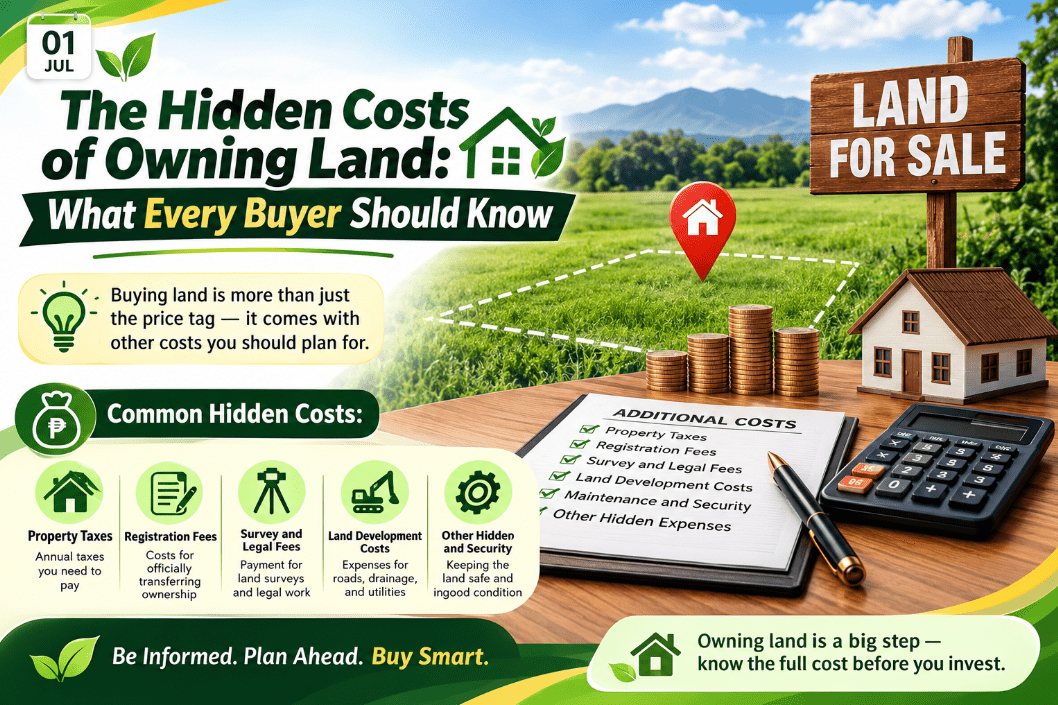
Owning land can be a dream come true—whether it’s for building a home, holding as an investment, or enjoying a quiet retreat. But while buying land often seems like a simple, low-maintenance investment, many buyers are surprised by the hidden costs that can come with it.
Before you sign the dotted line, it’s crucial to understand all the expenses involved. In this guide, we’ll explore the most common (and often unexpected) costs of land ownership—so you can make informed, confident decisions.
1. Property Taxes
Annual property taxes are one of the most significant ongoing costs of owning land. Even if the land is undeveloped, you’ll still owe taxes based on the county’s assessed value.
Factors That Affect Property Taxes:
-
Location (city vs. rural)
-
Zoning type (residential, agricultural, commercial)
-
Land improvements or structures
Always check with the local tax assessor’s office to get accurate annual estimates before buying.
2. Zoning & Permitting Fees
Every piece of land is zoned for a specific use—residential, commercial, agricultural, etc. Changing or confirming zoning can come with costs:
-
Zoning application fees
-
Variance requests
-
Building permits
-
Environmental reviews
If you plan to build, you’ll need permits for septic systems, driveways, wells, and more. These can cost hundreds to thousands of dollars, depending on the location and complexity.
3. Utility Hookups
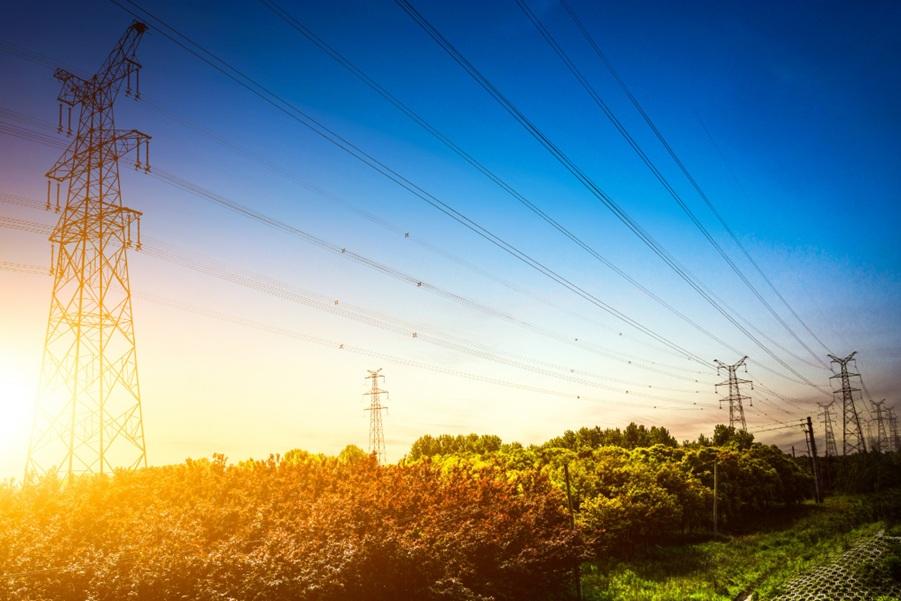
Just because land is advertised as having “utilities available” doesn’t mean they’re already installed. In many cases, utilities are at the street or property line and need to be hooked up—at your expense.
Common Utility Costs:
-
Electricity: Installing a power pole or trenching can cost $1,000–$10,000+
-
Water: Well drilling can range from $3,000–$15,000+
-
Sewer or Septic: Septic systems often run $3,000–$8,000+, depending on the soil
-
Internet/Phone: Especially costly in rural areas without fiber or cable access
Always confirm what utilities are already in place and what needs to be installed.
4. Land Clearing and Preparation
Raw land often needs clearing before it’s usable. Trees, brush, rocks, or uneven terrain can all increase prep costs.
Common Prep Costs:
-
Tree removal & grading: $1,000–$5,000+
-
Soil testing: $300–$800
-
Surveying: $500–$2,000+
-
Driveway installation: $2,000–$10,000+
These are critical steps for anyone planning to build a home or structure on the land.
5. Homeowners’ Association (HOA) or POA Fees
If the land is part of a subdivision, resort, or private community, you may be required to pay monthly or annual HOA (Homeowners Association) or POA (Property Owners Association) fees.
These fees typically cover:
-
Road maintenance
-
Gated security
-
Shared amenities
-
Trash collection
-
Community landscaping
Even if you’re not using the amenities, the fees are still required—and can be $200 to $2,000+ per year.
6. Access and Easement Issues
Not all land has legal or practical access. Some lots are “landlocked,” meaning they don’t border a public road.
To gain access, you may need:
-
An easement agreement (legal right-of-way over someone else’s land)
-
Road construction or maintenance costs
These issues often require legal help, which can cost hundreds or thousands of dollars. Always check for recorded easements and ask if the land is easily accessible year-round.

7. Insurance and Liability
Even vacant land can carry liability risks—especially if people hunt, hike, or use the land without permission.
Consider:
-
Vacant land insurance: Protects you from injury claims or accidents
-
Title insurance: Safeguards you from disputes over land ownership or boundary lines
Title insurance is often a one-time cost at purchase, while liability insurance is ongoing. It’s a small price for peace of mind.
8. Financing and Interest Rates
Land loans are very different from home mortgages. If you finance the land:
-
Expect higher interest rates (often 7%–12%)
-
Shorter loan terms
-
Larger down payments (15%–50%)
Some sellers offer owner financing, which may be more flexible—but still includes interest. Over time, interest can add thousands to the total cost of the property.
9. Maintenance Costs
Even if you’re not actively building or using the land, basic maintenance may be needed:
-
Mowing or brush control
-
Pest management
-
Road upkeep or erosion control
-
Snow removal (in colder climates)
Neglecting the land can result in fines from the county or HOA, and it can decrease resale value.
10. Resale and Exit Costs
When it’s time to sell, you’ll also face some costs:
-
Real estate agent commissions
-
Closing costs
-
Title fees
-
Potential capital gains taxes
Selling land often takes longer than homes, especially in rural markets, so plan accordingly if you need liquidity.
Final Thoughts: Do Your Homework
Buying land can be a smart and rewarding investment—but only if you fully understand the true cost. Hidden expenses like utility hookups, zoning hurdles, and ongoing taxes can quickly add up.
Before you buy, make sure you:
-
Request a property survey
-
Confirm zoning and access
-
Check utility availability
-
Estimate development costs
-
Talk to local officials, utility companies, and neighbors
If you’re buying from a land seller or through owner financing, ask questions and request all available documents. A trustworthy seller will be transparent about any costs or limitations.
Conclusion
While land ownership offers freedom and opportunity, it’s important to look beyond the purchase price. Being informed about the hidden costs of owning land will help you make a smart, long-term decision—and avoid expensive surprises.
Whether you’re building a home, starting a homestead, or investing for the future, knowing what to expect is the key to successful land ownership.
At Mr. Landseller, you can confidently navigate the process of selling your land from listing to closing, ensuring a successful and rewarding experience.
You can also follow us on our social media to get more news about our company https://www.facebook.com/MrLandSeller
