
Turning Vacant Land Into Income: Side Hustle Ideas for Landowners
Owning vacant land can feel like “holding money hostage” — for many landowners, it may appreciate over time, but it often sits idle and costs upkeep (taxes, maintenance, clearing brush). What if instead, landowners could turn that parcel into an income-producing asset today? Whether you own half an acre or many, there are side-hustle ideas that leverage your land into cash‐flow. Below are smart ways to make your land work for you — each with key considerations, startup tips, and pros/cons.
1. Lease the Land for Passive Uses
One of the simplest ways to start generating income is to lease your land to another party for a specific use. This avoids major improvements while making your property work.
a) Cell towers or communication leases
If your land is in a location with good elevation, visibility or near infrastructure, telecom companies may pay to install a cell tower or antenna. This often means long‐term leases with minimal involvement. Housing+1
b) Billboard / outdoor advertising
If the parcel fronts a busy road or highway, outdoor advertising firms may pay to use your land for billboards — you provide the land, they build the structure and pay you rent.
c) Storage/parking leases
In urban or suburban areas where space is scarce, leasing your land for parking (cars, trucks, RVs) or outdoor storage can yield steady income. Spectrum Magazine+1
Why this works: Less hands-on, fewer improvements needed, and you remain owner of the land (versus selling).
Key things to check: Zoning and permitted uses, lease terms (long vs short), access and utility/maintenance responsibilities.
2. Develop Recreational or Hospitality Uses
If your land has decent access, scenery, or is near a growing area, you can create more value by turning it into a recreational use.
a) Camping, glamping or RV spots
Outdoor recreation is booming; converting land into a campsite or glamping own site (even just basic amenities) gives you multiple income streams: nightly fees, add-ons, etc. Maadiveedu Blog+1
b) Event venue (weddings, outdoor gatherings)
Open land with aesthetic appeal can be rented for weddings, festivals, corporate retreats. Add a tent area, basic facilities, and you have a backdrop that many will pay for. Small Business Brief+1
c) Sports, trails, adventure use
If your land has topography or nature appeal, think hiking trails, mountain biking, paintball/airsoft fields, or even a dog park. Landopia+1
Benefits: Potentially higher income than passive leasing.
Challenges: Requires more investment (clearing, amenities, marketing), more hands-on operations, possibly higher risk.
Tip: Start small (e.g., just a few campsites) then scale as demand proves sight.
3. Agricultural, Farming and Nature-Based Ventures
Turning land into an agricultural or nature‐based use gives you both potential income and tax/valuation benefits (depending on locale).
a) Urban farming, community gardens, niche crops
Even small parcels can be turned into produce plots, herb farms, community-supported agriculture (CSA) ventures, or rental garden plots. Choice Land+1
b) Beekeeping, orchards, timber harvest
If you have the right environment, these less-intensive uses can give ongoing returns. Timber or firewood sales are longer-term plays. Spectrum Magazine+1
c) Lease to hobby farmers or grazing
Rather than you running all operations, you lease your land to someone who will farm or graze it. This transfers the labour and risk.
Considerations: Soil quality, access, water rights, long term commitment, expertise. If you do not have farming experience, it may make sense to lease rather than operate.
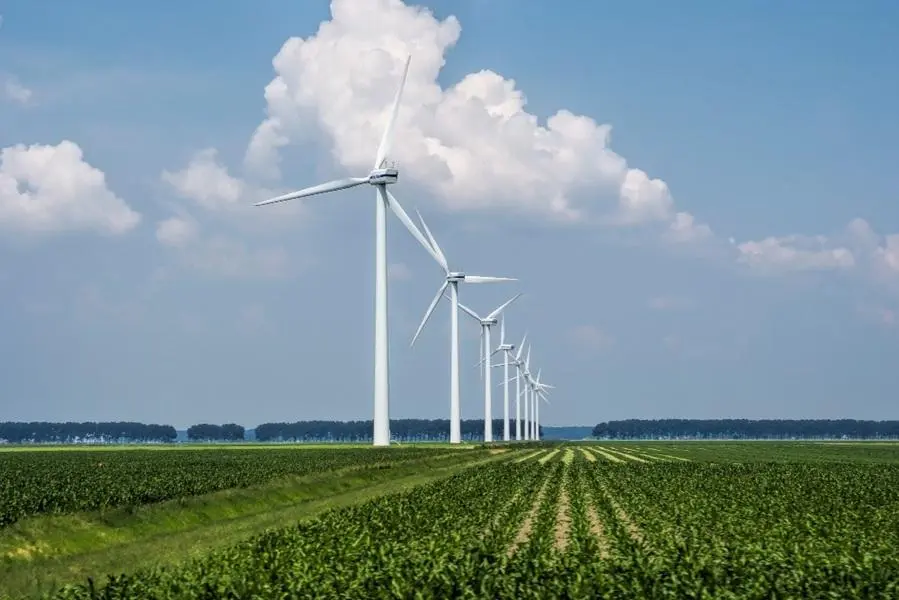
4. Renewable Energy and Sustainable Uses
With global emphasis on clean energy, your land could be leased or partnered with for larger scale energy projects.
a) Solar farms or wind turbine leases
Energy companies need space for solar panels or wind turbines. You provide land; they handle equipment and operations, you get lease payments.
b) Carbon credits, conservation, nature preserve
In some regions you may be able to use your land for carbon-offset programs, conservation leases, or create a nature preserve which may have tax advantages though lower income. Landopia
Why it’s compelling: Potential for long-term contracts, passive income, alignment with sustainability trends.
Challenge: Requires a location suited for energy production, regulatory approvals; often large land areas might be needed.
5. Short-Term/Creative Business Uses
Sometimes the best idea is the one no one is doing — and your vacant land might support a niche business venture.
a) Outdoor studio or filming location
If you have unique scenery or a special backdrop, you can lease your land to film crews, photographers, or events. Landopia
b) Dog park, outdoor yoga, or wellness space
Transform the land into a community asset — e.g., dog run, outdoor yoga pavilion, wellness retreats — and charge membership or rental. Small Business Brief
c) Storage Pods, junkyard, vehicle storage
These may be less glamorous but they address real needs (boat storage, RV storage, construction material storage) and convert unused land to revenue. askbamland.com+1
6. Key Steps to Get Started
No matter which idea you pursue, here’s a roadmap to make it happen:
-
Assess your land
-
Location: proximity to roads, population, amenities
-
Zoning: permitted uses, restrictions, environmental regulations
-
Topography/access: is it easily accessible? Utilities?
-
Demand: what does the local market need?
-
-
Check regulatory and cost implications
-
Local zoning or ordinances for parking, events, tourism, energy projects
-
Permits, utility hookups, lease agreements
-
Cost of improvements versus expected income
-
-
Select a viable idea and run numbers
-
Estimate initial costs (clearing, fencing, utilities, improvements)
-
Estimate ongoing expenses (maintenance, marketing, insurance)
-
Estimate revenue (lease income, nightly fees, rentals)
-
Calculate potential ROI and payback period
-
-
Develop a marketing and operations plan
-
Branding: what is your land offering? Location, niche, experience.
-
Channels: online listings (e.g., for campsites), local leasing networks, billboard companies, energy firms.
-
Operations: will you manage it? Lease it? Partner with an operator?
-
Maintenance: access control, liability insurance, upkeep.
-
-
Implement, monitor & iterate
-
Launch with minimal viable improvements to test demand.
-
Collect feedback, monitor bookings/leases, adjust pricing or offering.
-
Scale gradually — you can zone part of the land for one use, another part for a second.
-
7. Common Pitfalls to Avoid
-
Ignoring zoning or lease restrictions (you could end up in regulatory trouble).
-
Over-investing before testing demand (e.g., building luxury cabins before having bookings).
-
Not accounting for access, utilities, insurance, liability (these add costs).
-
Choosing too niche/remote a use with insufficient demand.
-
Failing to create a clear lease or management agreement (ambiguity can cost you).
8. Why This Strategy Matters for Landowners
Owning land is a powerful asset, but idle land doesn’t appreciate indefinitely without cost. By converting it into an income‐producing side hustle you:
-
Start cash-flowing sooner rather than waiting for speculative appreciation.
-
Reduce carrying costs (taxes, maintenance) by offsetting them with income.
-
Potentially increase the value of the land as a functioning business vs just raw land.
-
Gain flexibility: you’re not locked into selling; you can keep the land and operate for years.
As one resource notes, “leasing vacant land for uses such as parking, storage, events or solar can turn it into a revenue-generating asset without the need for major development.” ZenBusiness
9. Final Thoughts and Your Action Plan
If you’re holding vacant land, treat it not as a static asset but as a platform. Ask: what does my land offer? (Location, road frontage, nature, space) — and what are people or businesses seeking? (Parking, camping, outdoor events, storage, energy). When you align those two, you unlock income.
Your action plan for next week:
-
Walk the land and make notes: access, road frontage, zoning signage, nearby uses.
-
Research what nearby parcels are used for (camping, parking, storage etc).
-
Choose one viable idea that needs minimal investment and draft a cost/revenue model.
-
Reach out to one potential partner/lessee (e.g., local storage company, advertising firm, recreation operator) and gauge interest.
-
Create a simple lease or usage agreement template (or consult a lawyer) to protect yourself.
By turning your land into a side‐hustle asset, you unlock its full potential. Idle land becomes active profit. You may not aim to run a huge enterprise, but even a modest monthly rent or event income can substantially offset your holding costs and turn a passive asset into an income machine.
Ready to invest in the future of land ownership?
👉 Join our exclusive buyer list to get first access to discounted land deals — before they go public.
Or browse available properties now and secure your next investment today.
