
Tiny Lots, Big Dreams: A Buyer’s Guide to Purchasing Small Parcels (Under 1 Acre)
Small parcels of land—often defined as lots under one acre—are becoming increasingly popular among buyers who want flexibility, affordability, and long-term potential without the burden of managing large acreage.
Whether you’re dreaming of a cozy home near the water, a rental investment, or a future resale opportunity, tiny lots can still support big plans when purchased wisely.
This SEO-friendly guide walks you through everything you need to know before buying a small parcel, from zoning and utilities to financing and resale value.
Why Small Lots Are in High Demand
Small lots appeal to a wide range of buyers, especially first-time land investors and downsizers. Here’s why demand keeps growing:
-
Lower purchase price compared to multi-acre properties
-
Reduced property taxes and carrying costs
-
Less maintenance and easier upkeep
-
Ideal for infill development in growing areas
-
Strong resale potential in residential markets
As cities expand and buildable land becomes scarcer, well-located small parcels often appreciate faster than rural acreage.
Common Uses for Lots Under 1 Acre
Despite their size, small parcels can serve many purposes:
1. Primary Residence
Many counties allow single-family homes on lots as small as 0.15–0.25 acres, especially in suburban and lake communities.
2. Vacation or Second Home
Small lots near lakes, beaches, or recreational areas are perfect for weekend retreats with lower maintenance requirements.
3. Rental or Airbnb Investment
In areas that allow short-term rentals, a compact lot can generate strong cash flow with minimal land cost.
4. Long-Term Hold
Some buyers purchase small lots simply to hold and resell as nearby development increases demand.
Zoning and Land Use: The First Thing to Check
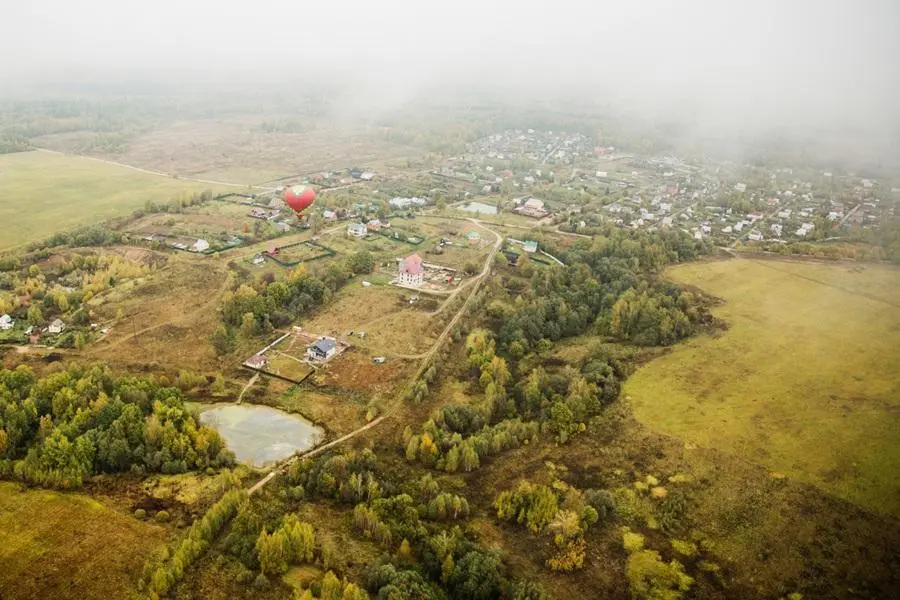
Before purchasing any small parcel, zoning is critical. Size alone doesn’t determine what you can build—the zoning code does.
Key questions to ask:
-
Is the lot zoned residential, mixed-use, or recreational?
-
What is the minimum lot size for building?
-
Are mobile or manufactured homes allowed?
-
Are there setback requirements that reduce buildable space?
Always verify zoning with the county or city planning department. Even a buildable lot can become unusable if setbacks, easements, or flood zones consume too much of the parcel.
HOA Restrictions Can Make or Break a Deal
Many small lots are located in planned communities or lake subdivisions governed by a Homeowners Association (HOA).
Typical HOA restrictions may include:
-
Minimum square footage (e.g., 1,500–1,800 sq ft)
-
Single-family homes only
-
No mobile homes, RVs, or camping
-
Architectural design requirements
Always request and review the HOA bylaws and covenants before purchasing. HOA rules override personal plans—even if zoning allows your intended use.
Utilities: Small Lot, Big Importance
Utilities are especially important on small parcels because there’s less room to work around limitations.
Utilities to Confirm:
-
Electric: Nearby power lines reduce hookup costs
-
Water: Public water vs. well feasibility
-
Sewer: Public sewer or septic approval
-
Internet: Increasingly important for resale
For septic systems, confirm that the lot can pass a perc test. On very small parcels, failing a perc test can make the lot unbuildable.
Access, Road Frontage, and Shape Matter More on Small Lots

On parcels under one acre, every foot counts.
Check for:
-
Legal road access (not landlocked)
-
Adequate frontage to meet county requirements
-
Lot shape (irregular lots may limit building options)
A narrow or oddly shaped lot may technically be buildable but impractical or expensive to develop.
Financing Options for Small Parcels
Financing land is different from financing homes. Many banks are hesitant to lend on vacant land—especially small lots.
Common Financing Options:
-
Cash purchase (most competitive)
-
Owner financing (popular for small parcels)
-
Local banks or credit unions
-
Land loans with higher down payments
Owner financing is often the easiest route, allowing buyers to secure land with flexible terms and fewer qualifications.
How to Evaluate Market Value
To determine whether a small lot is priced fairly, compare it with similar properties:
-
Recently sold lots in the same area
-
Active listings on platforms like Zillow and Realtor.com
-
Proximity to water, cities, and highways
External resources such as Zillow’s land listings can help you understand current market trends:
https://www.zillow.com/land/
Environmental and Legal Considerations
Small parcels are more sensitive to environmental limitations. Before closing, check for:
-
Flood zones (FEMA maps)
-
Wetlands or protected areas
-
Easements for utilities or neighbors
-
Title issues or unpaid taxes
A title search is essential, even for inexpensive lots.
Resale Potential: Thinking Ahead
Even if you plan to build or hold long term, resale value should always factor into your decision.
Small lots tend to resell well when they:
-
Are near water, cities, or highways
-
Allow flexible building options
-
Have utilities available
-
Are located in growing counties
Buyers in the future will value convenience just as much as you do today.
Mistakes to Avoid When Buying Tiny Lots
Avoid these common pitfalls:
-
Assuming all residential lots are buildable
-
Ignoring HOA rules
-
Underestimating utility hookup costs
-
Skipping zoning confirmation
-
Buying without legal access
Due diligence is even more important on small parcels because there’s little margin for error.
Final Thoughts: Small Land, Smart Investment
Tiny lots can absolutely support big dreams. Whether you’re building a modest home, investing for resale, or securing land in a high-demand area, parcels under one acre offer affordability, flexibility, and strong potential when purchased correctly.
The key is research: understand zoning, restrictions, utilities, and market demand before you buy. With the right due diligence, a small lot can become one of the smartest real estate investments you make.
Ready to invest in the future of land ownership?
👉 Join our exclusive buyer list to get first access to discounted land deals — before they go public.
Or browse available properties now and secure your next investment today.
