

How to Find the Perfect Land Deal: What Makes a Parcel a Smart Investment

Finding the right land deal can be one of the smartest real estate investments you ever make—but only if you know how to recognize a great opportunity. Unlike buying a home, evaluating vacant land requires looking beyond the price tag. The best land deals combine a desirable location, usability, legal clarity, future potential, and affordability.
Whether you’re searching for land to build your dream home, create a recreational getaway, start a homestead, or simply invest for the future, understanding what separates a great parcel from a poor one can save you thousands of dollars and years of frustration.
In this guide, we’ll explain exactly what makes a parcel a smart buy and how you can confidently evaluate vacant land before making an offer.
1. Start With the Location
You’ve probably heard the saying, “Location, location, location.” It applies just as much to vacant land as it does to houses.
Ask yourself:
- Is the property close to a town or city?
- Are grocery stores, schools, hospitals, or gas stations nearby?
- Is there easy road access?
- Is the surrounding area growing?
Land located near expanding communities often appreciates faster than isolated parcels.
Even if you’re purchasing land for recreation, proximity to lakes, hiking trails, national forests, or popular attractions can significantly increase its long-term value.
Learn more about population growth trends through the U.S. Census Bureau:
https://www.census.gov
2. Check Legal Access
One of the biggest mistakes new land buyers make is purchasing property without verified legal access.
A parcel should ideally have:
- Public road frontage
- Recorded easement access
- Year-round accessibility
Without legal access, obtaining financing, building permits, or even reaching your property may become difficult.
Always verify access before closing.
3. Understand the Zoning
Zoning determines what you can legally do with your land.
Examples include:
- Residential
- Agricultural
- Commercial
- Recreational
Before purchasing, ask:
- Can I build a home?
- Are mobile homes allowed?
- Can I keep livestock?
- Can I camp?
- Are tiny homes permitted?
Every county has different regulations, so always confirm directly with the local planning department.
You can learn about zoning basics from the American Planning Association:
https://planning.org
4. Look for Utility Availability
Utilities can dramatically affect both convenience and development costs.
Check whether the property has access to:
- Electricity
- Water
- Sewer
- Septic approval
- Internet
- Natural gas
Not every great parcel needs all utilities immediately—many rural buyers happily install wells and septic systems—but understanding these costs helps you budget accurately.
5. Verify Property Boundaries
Never assume online maps perfectly represent property lines.
Instead:
- Review the survey if available
- Compare GIS maps
- Walk the property
- Use GPS coordinates
- Consider obtaining a professional survey
Knowing exactly what you’re buying prevents future disputes with neighboring landowners.
6. Research Flood Zones
Flood zones don’t necessarily make land undesirable—but they can increase insurance costs and limit development.
Before buying:
- Check FEMA Flood Maps
- Understand whether flood insurance is required
- Verify building requirements
You can search flood maps here:
7. Evaluate the Terrain
Flat land isn’t always better.
The ideal terrain depends on your goals.
For example:
Building
Look for:
- Stable soil
- Moderate slope
- Good drainage
Recreation
Hills, forests, and creeks may actually increase appeal.
Farming
Open, fertile, relatively level ground often works best.
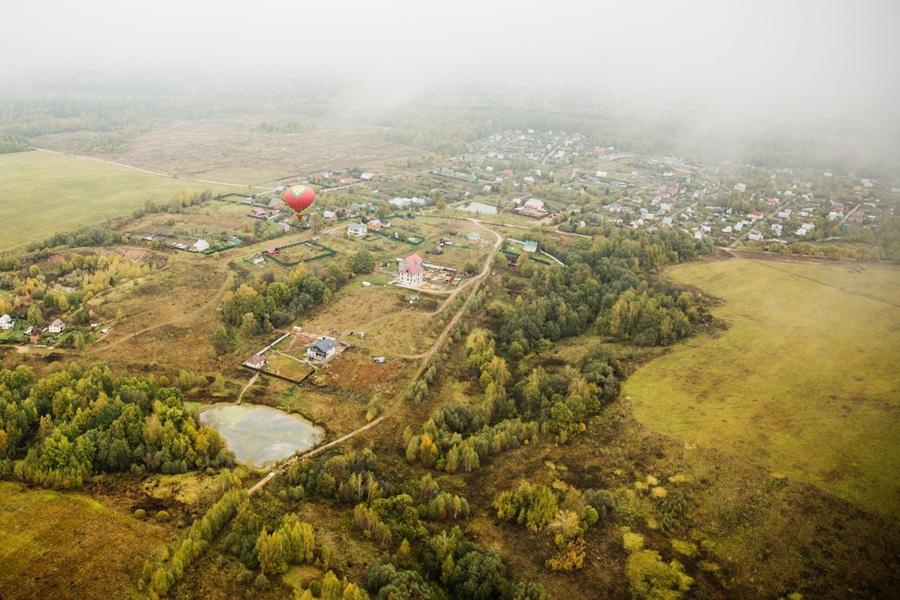
Google Earth and county GIS maps provide valuable aerial perspectives before visiting.
8. Check for Restrictions
Some properties have restrictions such as:
- HOA rules
- Minimum home sizes
- No mobile homes
- Architectural requirements
- RV limitations
- Livestock restrictions
Other parcels have very few restrictions, providing greater flexibility.
Always ask for any recorded Covenants, Conditions & Restrictions (CC&Rs) before purchasing.
9. Compare Market Prices
Never judge a deal solely by the asking price.
Instead, compare:
- Similar acreage
- Nearby sales
- Road access
- Utilities
- Topography
- Location
A parcel listed for $15,000 may actually be overpriced if comparable lots recently sold for $10,000.
Likewise, a $25,000 parcel could be an excellent bargain if neighboring properties sell for $40,000.
Research comparable sales through local county records or land listing websites.
10. Understand Future Growth Potential
Some of today’s affordable rural properties become tomorrow’s valuable real estate.
Look for areas experiencing:
- Population growth
- New subdivisions
- Highway improvements
- Commercial development
- Industrial expansion
- Tourism growth
Buying ahead of development often creates the greatest long-term appreciation.
11. Review Annual Property Taxes
Low annual taxes make holding land much easier.
Check:
- Current tax bill
- Delinquent taxes
- Special assessments
- Future tax increases
Many rural properties have surprisingly affordable annual tax obligations.
12. Confirm Clear Ownership
A smart land purchase begins with clean title.
Make sure:
- Property taxes are current
- Ownership is verified
- No unexpected liens exist
- The seller has authority to sell
A reputable title company can perform a title search and provide title insurance for many transactions, giving buyers added peace of mind.
Learn more about title insurance through the American Land Title Association (ALTA):
https://www.alta.org
13. Consider Owner Financing Opportunities
Many buyers overlook excellent land simply because they assume financing isn’t available.
Owner financing can make purchasing land far more accessible by offering:
- Lower upfront costs
- Flexible down payments
- Predictable monthly payments
- Faster closings
- No traditional bank loan in many cases
If you’re planning to finance your purchase, compare the total cost—not just the monthly payment—and make sure the terms fit your budget.
14. Visit the Property If Possible
Photos and maps are helpful, but nothing replaces seeing the land in person.
During your visit, check:
- Road conditions
- Neighboring properties
- Terrain
- Drainage
- Noise levels
- Views
- Nearby amenities
If you can’t visit personally, ask the seller for recent photos, videos, or virtual tours.
15. Buy With a Long-Term Perspective
Great land investments often reward patience.
Ask yourself:
- Will this property still be desirable in 10 years?
- Does the location have room to grow?
- Would I be happy owning it even if I don’t build immediately?
Buying quality land in a good location is often a long-term strategy rather than a quick flip.
Red Flags to Watch For
While many land deals are excellent opportunities, be cautious if you notice:
- No legal road access
- Unclear ownership
- Significant unpaid taxes
- Unknown restrictions
- Unrealistically low prices without explanation
- Refusal to provide property details
- Lack of clear boundaries or parcel information
Taking time to investigate these issues before purchasing can help you avoid costly surprises.
Final Thoughts
A great land deal isn’t simply the cheapest property you can find—it’s the one that offers the best combination of value, usability, location, and long-term potential. By researching zoning, access, utilities, taxes, restrictions, and future growth, you can make a more informed decision and purchase with confidence.
At MrLandSeller, we strive to provide detailed property information so buyers can evaluate land with confidence. Whether you’re looking for a future homesite, recreational retreat, or investment property, taking the time to perform your due diligence is one of the best investments you can make.
Ready to find your next property? Browse our available listings and discover affordable vacant land with transparent pricing and flexible owner financing options.
Ready to invest in the future of land ownership?
👉 Join our exclusive buyer list to get first access to discounted land deals — before they go public.
Or browse available properties now and secure your next investment today.
