

From AI to Climate Change: How the Future Is Reshaping Land Ownership in the U.S.


Land ownership has always been central to the American Dream. But in 2025 and beyond, owning land is no longer just about buying and holding a parcel of dirt — it’s about understanding how technology, climate change, and regulation are transforming the landscape (literally and figuratively).
If you’re thinking about investing in land or expanding your current holdings, it’s time to take a serious look at the future of land ownership. Let’s dive into the five biggest trends you need to know — and why they matter to today’s land buyers.
1. 🌎 Climate Change Is Reshaping Land Values
Why it matters: As weather patterns shift and extreme events like droughts, floods, and wildfires become more frequent, the value and viability of land is evolving rapidly.
-
Some areas are becoming riskier to build on, while others — like elevated inland regions — are gaining appeal.
-
FEMA floodplain maps and USDA drought data are increasingly vital for evaluating risk.
-
Insurance premiums are rising in high-risk areas, which can affect resale value and development costs.
What buyers should do: Start evaluating land not just on price and location, but on climate resilience. Areas with access to clean water, moderate temperatures, and stable weather patterns may become the most valuable long-term.
source: NOAA Climate Change Data
2. 🤖 AI and Big Data Are Powering Smarter Land Investment
Artificial Intelligence (AI) is no longer a sci-fi concept — it’s now a tool that real estate investors are using to analyze trends, predict land appreciation, and uncover hidden opportunities.
-
AI models analyze satellite imagery, zoning changes, population growth, and infrastructure development.
-
Smart platforms help buyers compare parcels based on soil quality, elevation, and proximity to development zones.
Real-life example: Investors are using AI tools to identify undervalued land near future transportation corridors or data center expansions.
What buyers should do: Look for sellers or platforms that incorporate AI-powered insights into their listings. It can give you a serious edge over traditional investors.
3. 🧾 Blockchain Could Revolutionize Land Transactions
The current process of buying land can be slow, bureaucratic, and expensive. But blockchain technology is poised to change that by:
-
Making land records tamper-proof
-
Reducing fraud in title transfers
-
Enabling faster, more secure transactions
Countries like Sweden and Brazil are already testing blockchain-based land registries, and similar ideas are gaining momentum in parts of the U.S.
What buyers should do: Watch for counties or states piloting blockchain solutions. As adoption grows, these areas may become more attractive to digital-savvy investors.
source: World Bank – Blockchain and Land Governance
4. 🏘️ Zoning Laws Are Getting a Modern Makeover
In response to housing shortages and urban sprawl, local and state governments are changing zoning policies to encourage:
-
Accessory dwelling units (ADUs)
-
Mixed-use development
-
Higher-density housing on rural land
For investors, this opens new doors: A parcel zoned agricultural today may soon be approved for multi-family housing or even tiny home communities.
Example: California and Oregon have both passed legislation that reduces zoning restrictions on rural and suburban land.
What buyers should do: Research upcoming zoning reforms in your target area. Buying land before zoning changes can yield substantial returns.
See how zoning affects land value on MrLandSeller.com
5. 🌱 Buyers Are Prioritizing Sustainability and Self-Sufficiency
More and more buyers — especially Millennials and Gen Z — want land for:
-
Homesteading
-
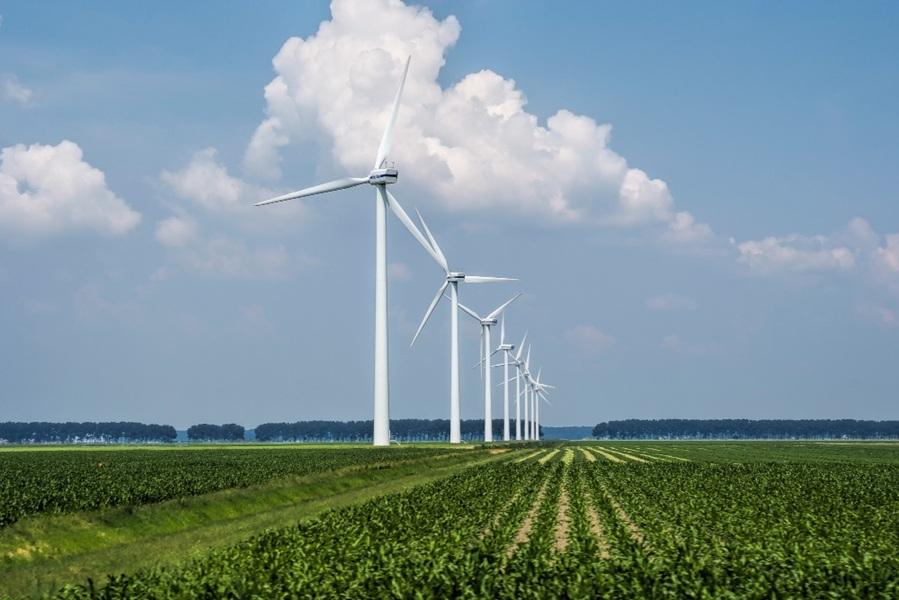
Solar and wind generation
-
Off-grid living
-
Regenerative farming
This trend isn’t just about lifestyle — it’s also driving demand for land with features like sun exposure, water access, and good soil.
What buyers should do: Look for land listings that highlight eco-friendly features or sustainable living potential. These will likely appreciate faster as demand continues to rise.
📈 Why Now Is Still a Great Time to Invest in Land
Despite all the changes on the horizon, one thing remains true: land is a limited resource. And those who adapt to new trends early are often the ones who reap the biggest rewards.
As the U.S. undergoes technological, environmental, and social shifts, land buyers who stay informed and flexible will be in the best position to capitalize on emerging opportunities.
Ready to invest in the future of land ownership?
👉 Join our exclusive buyer list to get first access to discounted land deals — before they go public.
Or browse available properties now and secure your next investment today.
You can also follow us on our social media to get more news about our company https://www.facebook.com/MrLandSeller
