

Tiny Lots, Big Dreams: A Buyer’s Guide to Purchasing Small Parcel (Under 1 Acre)

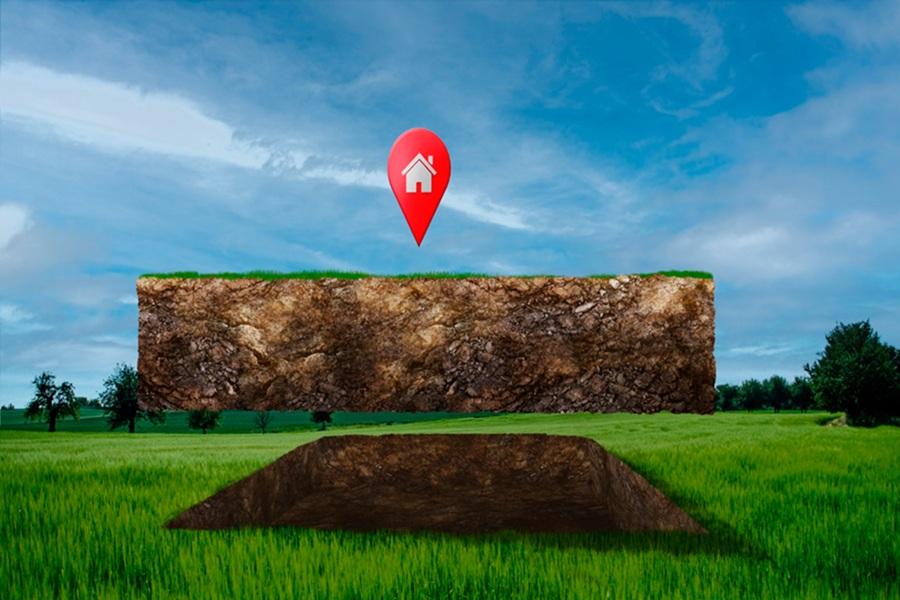
🌿 Introduction: Why Small Land Can Mean Big Opportunity
You don’t need 10 or 20 acres to make your landownership dreams come true. For many buyers, a small parcel under one acre is the perfect starting point — affordable, manageable, and full of potential. Whether you’re dreaming of a weekend getaway, a future home site, or a long-term investment, smaller lots can offer a surprising amount of freedom without the hefty price tag.
Let’s explore what makes small parcels so appealing, what to watch out for, and how to make a smart purchase you’ll feel confident about.
💰 1. Why Buyers Are Choosing Smaller Parcels
There’s been a big shift in how people view land. Many buyers today want a slice of peace and nature — not necessarily a huge homestead. Here’s why small parcels are becoming so popular:
-
Lower purchase price: Smaller parcels usually cost less, which means lower taxes and fewer upfront costs.
-
Easier maintenance: Less land means less mowing, clearing, and upkeep.
-
Flexibility: Perfect for tiny homes, RVs, or recreational use.
-
Entry-level investment: You can start building equity in land without breaking the bank.
According to the U.S. Census Bureau, rural land ownership continues to grow among first-time buyers — many of whom are choosing lots under 1 acre as a manageable first step.
🧭 2. Understanding What “Under 1 Acre” Means
An acre equals 43,560 square feet, but that number doesn’t mean much until you visualize it. Imagine a football field (without the end zones) — that’s roughly an acre.
So a 0.25-acre lot is about the size of a standard suburban yard, while 0.75 acres might feel like a large backyard with room for a house, shed, garden, and still some open space.
Small parcels come in all shapes and locations — residential neighborhoods, lake communities, or rural subdivisions. Always review the survey map or parcel boundaries to understand the usable area and any setbacks that could affect building plans.
🧾 3. Key Things to Check Before Buying a Small Parcel
Buying smaller land doesn’t mean you can skip due diligence. In fact, you’ll want to be extra careful about certain details that can make or break the property’s value.
🏗️ a) Zoning and Land Use
Check with the county planning office to confirm what’s allowed. A small residential parcel may permit single-family homes but not mobile homes or RVs unless zoned accordingly.
👉 Visit your local county or use resources like Planning.org to understand zoning terms.
💡 b) Utilities and Access
Because space is limited, utility placement matters a lot. Confirm power poles, water lines, and septic feasibility. Ask the seller if hookups are nearby or if installation is needed.
🚗 c) Legal Access
Make sure the property has deeded road access. Even a beautiful lot loses value if you can’t legally reach it.
🌊 d) Flood Zone or Drainage
Small parcels in low areas can easily flood. Check FEMA’s Flood Map Service Center to confirm your lot’s flood risk before you buy.
📐 e) Restrictions or HOA Rules
If the lot is part of a subdivision, review any HOA or deed restrictions. Some communities limit RV stays, building types, or livestock.
🏕️ 4. Ideas for Using a Small Parcel
You’d be surprised how much you can do on less than an acre:
-
Build a small cabin or tiny home for weekend getaways
-
Use it for RV camping or short-term stays
-
Grow a hobby garden or orchard
-
Set up a storage shed or workshop
-
Hold it as an appreciating investment for future resale
Many buyers at MrLandSeller.com start with a smaller lot just to “get a feel” for land ownership — and often end up buying larger tracts later once they gain confidence.

🔍 5. Financing and Ownership Tips
One big perk of smaller parcels is seller financing — an option that’s more flexible than a traditional mortgage. This means you can spread payments out monthly, often without credit checks or bank involvement.
Here’s what to ask your seller:
-
What’s the down payment and monthly amount?
-
Are there prepayment penalties?
-
Who pays property taxes and recording fees?
If you’re buying through a reputable land company, make sure the process goes through a title company for a smooth, secure transfer.
🧠 6. Common Mistakes to Avoid
Even a small piece of land deserves careful planning. Avoid these common slip-ups:
-
Skipping the site visit — Always walk the property boundaries.
-
Ignoring zoning or easements — A half-acre might include utility easements you can’t build over.
-
Assuming utilities are nearby — Verify with the county or utility provider.
-
Overestimating buildable space — Tiny lots can shrink fast after setbacks and septic placement.
Doing a little homework now will save you big headaches later.
🌳 7. Why Small Land Still Matters in the Big Picture
Owning even a small parcel connects you to something bigger — the land itself. Whether it’s the joy of planting your first tree, parking your camper for a quiet weekend, or knowing you own a piece of America, the feeling is the same.
Land, big or small, is finite — and that’s what makes it valuable. A 0.5-acre lot in the right location can appreciate faster than a remote 10-acre tract if demand grows in that area.
🚀 Final Thoughts
Small parcels are the perfect entry point for anyone dreaming of land ownership. They’re affordable, manageable, and open the door to new possibilities. Whether you plan to build, camp, or simply hold the land as an investment, every journey starts with a single acre — or less.
👉 Ready to explore available small parcels?
Browse available land listings on MrLandSeller.com and take the first step toward your own slice of freedom today.
