

How to Spot a Great Land Deal — What Makes a Parcel a Smart Buy

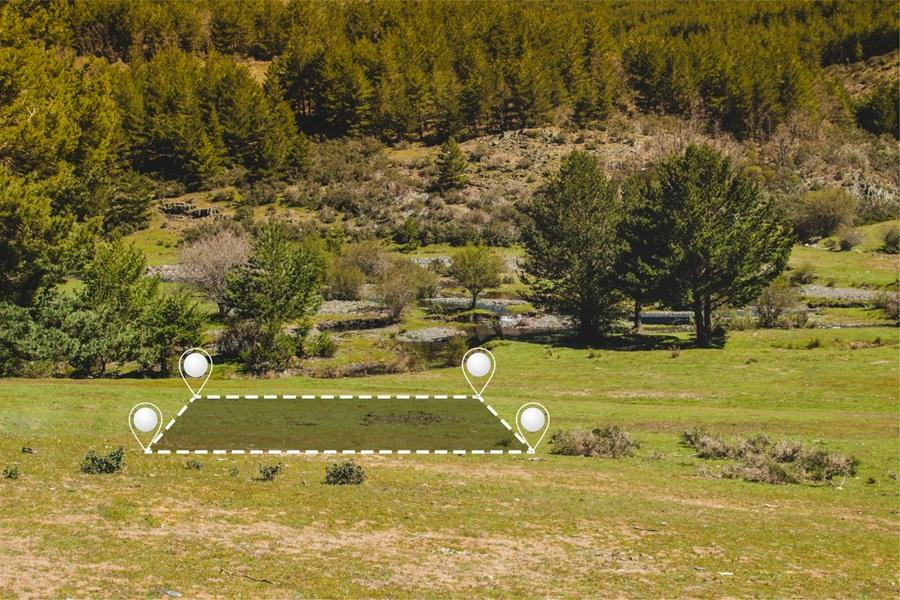
Buying land can be one of the smartest real estate investments you’ll ever make — if you know how to recognize a great land deal. Unlike houses, vacant land doesn’t come with obvious clues like kitchens, bedrooms, or curb appeal. A great land deal is often hidden beneath zoning codes, access details, and long-term potential.
Whether you’re buying land to build, invest, hold, or resell, understanding what truly makes a parcel a smart buy can save you thousands of dollars and years of frustration.
In this guide, we’ll walk you through the most important factors to evaluate when buying land and how to spot a great deal before everyone else does.
Why Buying Land Is Different From Buying a House
Many first-time land buyers assume the process is similar to purchasing a home. In reality, land investing follows a completely different rulebook.
Land:
-
Has no tenants
-
Requires little to no maintenance
-
Doesn’t depreciate from wear and tear
-
Offers long-term appreciation
-
Can be bought below market value more easily
However, land also requires more due diligence upfront. A cheap price alone does not make land a good deal.
1. Location Still Matters — But Differently Than Houses
You’ve heard it before: location, location, location. This still applies to land — but in a different way.
When evaluating land, ask:
-
Is it near a growing town or city?
-
Are there new developments, infrastructure, or population growth nearby?
-
Is it close to highways, lakes, parks, or recreational areas?
-
Does the area attract retirees, builders, or investors?
A parcel doesn’t need to be downtown to be valuable. Many great land deals are:
-
10–30 minutes from a city
-
In rural but developing counties
-
Near future growth corridors
👉 Smart buyers focus on where growth is heading, not where it already is.
2. Legal Access Is Non-Negotiable
One of the biggest mistakes land buyers make is purchasing property without confirmed legal access.
Before calling a parcel a “great deal,” confirm:
-
Is there road access?
-
Is it public or private road access?
-
Is there a recorded easement if access crosses another property?
Landlocked parcels can be extremely difficult to use or resell — even if they’re cheap.
✔️ A smart land deal always has clear, legal, documented access.
3. Zoning and Land Use: Know What You Can (and Can’t) Do
Zoning determines how land can be used — and it can make or break a deal.
Check:
-
Is it residential, agricultural, recreational, or mixed-use?
-
Are mobile homes, RVs, or manufactured homes allowed?
-
Can you build a single-family home?
-
Are there minimum size or setback requirements?
Some parcels look like amazing deals until you realize:
-
You can’t build on them
-
They’re restricted to agriculture only
-
HOA or county rules limit usage
📌 Always match the zoning with your intended use — not just the price.
4. Utilities: Available, Nearby, or Off-Grid?
Utilities play a huge role in land value and future usability.
Ask these questions:
-
Is electricity nearby?
-
Is there public water, or will you need a well?
-
Is septic allowed, and does the lot pass perc tests?
-
Is high-speed internet available or expanding?
That said, lack of utilities doesn’t automatically mean bad land.
Many buyers prefer:
-
Off-grid properties
-
Recreational land
-
Rural acreage with alternative power options
💡 The key is transparency — knowing what’s available and what it will cost to add utilities.
5. Topography and Buildability
Flat land is easier and cheaper to build on — but not all sloped land is bad.
Evaluate:
-
Is the lot mostly flat, gently sloped, or steep?
-
Are there flood zones or wetlands?
-
Is the soil suitable for foundations and septic systems?
A great land deal balances:
-
Price
-
Build costs
-
Intended use
For example:
-
Steep land may be perfect for views or recreation
-
Flat land may attract builders or families
📐 Buildability equals value — especially for resale.
6. Flood Zones and Environmental Restrictions
Before buying land, always check:
-
FEMA flood maps
-
Wetland designations
-
Conservation easements
-
Protected habitats
Land located in a flood zone isn’t always a bad deal — but it must be priced accordingly and used appropriately.
🚫 Ignoring environmental factors is one of the fastest ways to turn a “deal” into a liability.
7. Market Value vs. Asking Price
A great land deal is not about the lowest price — it’s about value compared to the market.
Compare:
-
Similar lots sold recently
-
Size, location, and zoning
-
Road access and utilities
If a parcel is priced below comparable sales, ask:
-
Why?
-
Is there a hidden issue?
-
Or is it simply undervalued?
At MrLandSeller, we focus on pricing land fairly, transparently, and competitively — so buyers know they’re getting real value.
8. Holding Costs: The Hidden Advantage of Land
One reason land is such a smart investment is its low carrying cost.
Typical holding costs:
-
Property taxes (often very low)
-
Minimal insurance (if any)
-
No maintenance or repairs
This makes land ideal for:
-
Long-term investors
-
Buyers waiting to build
-
Passive wealth building
📈 A great land deal should be easy to hold without financial stress.
9. Financing Options Can Increase Value
Many buyers overlook this factor — but it’s important.
Land that:
-
Offers seller financing
-
Has flexible payment options
-
Requires no bank approval
…is often more valuable to buyers and easier to resell.
At MrLandSeller, we often provide simple, transparent financing options, making land ownership accessible without traditional loans.
10. Exit Strategy: Think Ahead
Before buying land, ask:
-
Can I resell this easily?
-
Who is the future buyer?
-
Builders, homeowners, investors, or recreational users?
A smart land deal always has multiple exit strategies, such as:
-
Selling to a builder
-
Holding for appreciation
-
Developing later
-
Passing down as generational property
🔄 If the land only works for one narrow purpose, it carries more risk.
Common Red Flags to Watch Out For
Avoid land deals with:
-
No legal access
-
Unclear ownership or title issues
-
HOA restrictions you didn’t review
-
Zoning that conflicts with your goals
-
Prices far below market without explanation
Cheap land is not always good land.
Why Smart Buyers Choose MrLandSeller
At MrLandSeller, we believe buying land should be:
-
Clear
-
Honest
-
Stress-free
We focus on:
-
Verifying access and zoning
-
Transparent pricing
-
Simple buying process
-
Properties with real long-term value
Whether you’re a first-time buyer or an experienced investor, we help you spot great land deals without the guesswork.
Final Thoughts: A Great Land Deal Is Built on Knowledge
The best land deals aren’t accidents — they’re the result of careful evaluation, research, and understanding what truly matters.
When you look beyond price and focus on:
-
Location trends
-
Access
-
Zoning
-
Utilities
-
Long-term potential
…you put yourself in a position to make a smart, confident land purchase.
Ready to Find Your Next Smart Land Investment?
👉 Browse available properties at MrLandSeller.com
Your next great land
deal could be waiting.
You can also follow us on our social media to get more news about our company https://www.facebook.com/MrLandSeller
